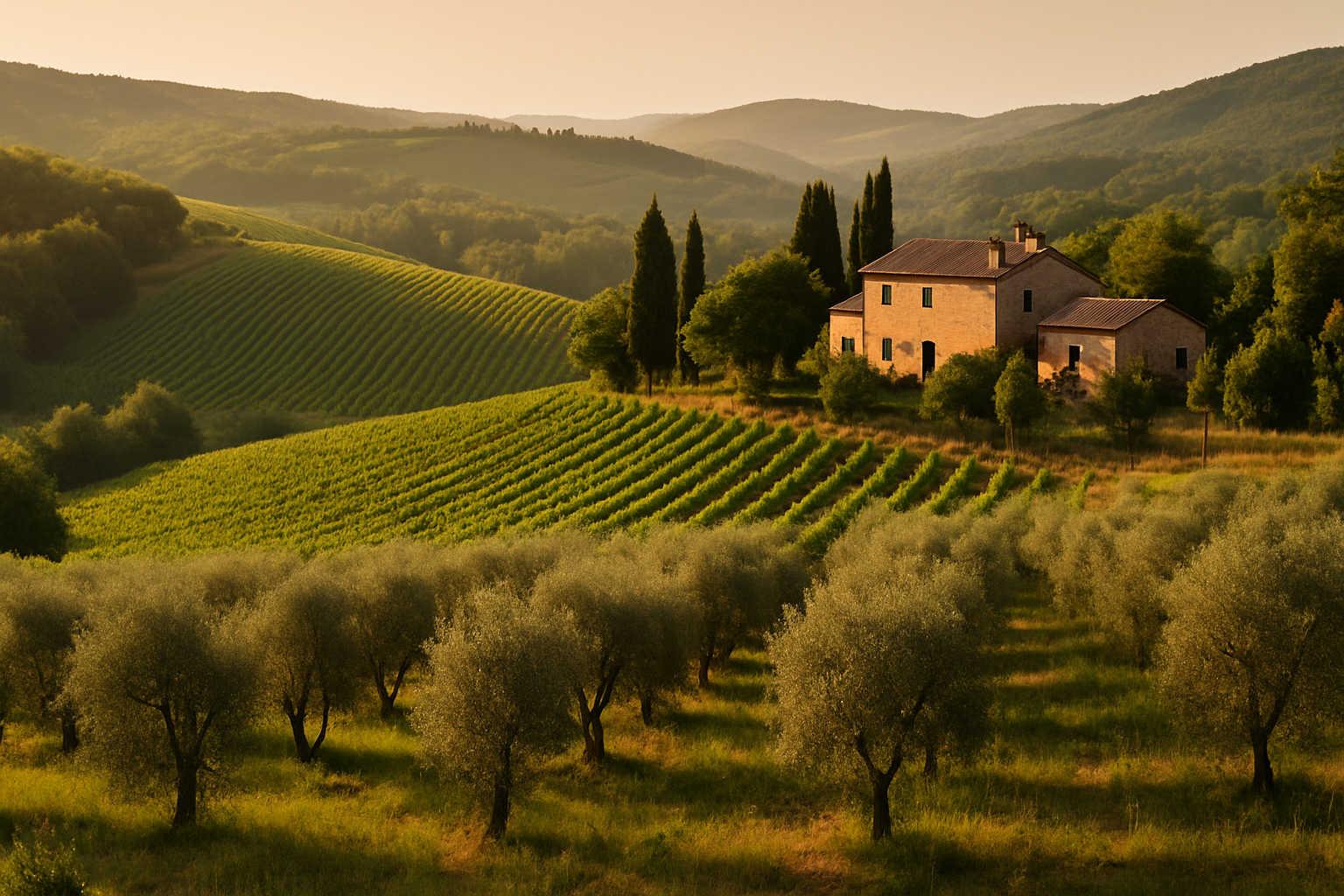
Exploring Tuscany’s Rural Heritage and Longstanding Wine Culture
Tuscany has long been considered one of the most emblematic regions in the world for wine production, agricultural craftsmanship and rural heritage. Its landscape blends centuries of human cultivation with natural biodiversity, creating an environment where vineyards, olive groves and small agricultural holdings have shaped both the economy and the cultural identity of the area. Over generations, families have preserved the traditions that define Tuscan viticulture and olive cultivation, adapting them to modern practices while maintaining a deep respect for the land.
The region’s agricultural landscape is characterized by rolling hills, historical villages and soils rich in minerals that contribute to the distinctive profiles of its wines and oils. Tuscany is particularly known for its commitment to quality driven by controlled production processes, sustainable farming and the protection of autochthonous grape varieties. Internationally recognized denominations highlight the rigor with which producers must operate, ensuring consistency and authenticity in every bottle. These traditions have helped position Tuscany as a benchmark for both enthusiasts and professionals seeking genuine expressions of Italian craftsmanship.
The Cultural Significance of Tuscan Wine Regions
Wine production has played a central role in Tuscan life for centuries. The combination of climate, hillside exposure and soil composition creates ideal growing conditions for grapes that have made the region famous. Vineyards vary widely, from small family owned plots to larger estates, each contributing unique characteristics to the final product. Producers often emphasize manual harvesting and artisanal methods, prioritizing precision and respect for the natural environment.
Soil and Climate as Defining Elements
The soil composition in Tuscany often includes marl, limestone and rocky layers, which help regulate humidity and create optimal drainage. This geological variety enhances the aromatic complexity of local wines. Combined with full sun exposure on the hillsides and the specific microclimates of each area, vineyards can produce wines that are structured, balanced and reflective of their origins.
Traditional Grapes with Modern Identity
Sangiovese remains one of the most emblematic grape varieties of the region. Known for its versatility, acidity and ability to reflect terroir, it forms the foundation of some of Tuscany’s most renowned wines. Alongside traditional varieties, complementary grapes such as Merlot are sometimes used to enrich aromatic profiles and achieve harmonious blends. The result is a wine culture that honors tradition while embracing experimentation within the boundaries of regulated appellations.
Olive Oil as an Expression of Territory
Just like wine, olive oil is a cornerstone of Tuscan agricultural life. The region’s olive trees thrive in stony and mineral rich soils, producing low yields that contribute to the intensity and character of the oil. Cold pressing remains a standard practice for ensuring quality, preserving freshness and maintaining the distinctive peppery finish associated with premium Tuscan extra virgin olive oil. Families often rely on both traditional extraction methods and modern technologies to safeguard purity while achieving consistent results.
Agritourism and Rural Experiences in Tuscany
Tuscan countryside experiences have gained increasing interest from visitors who seek authenticity and direct contact with agricultural traditions. Agriturismo establishments, often family managed, offer guests the possibility to explore vineyards, taste local products, learn about cultivation methods and engage with the rhythms of rural life. These experiences highlight the region’s commitment to hospitality grounded in sustainability and cultural preservation.
Activities That Connect Visitors to the Land
Agricultural experiences may include:
-
Guided tastings of wine, olive oil or traditional sweet wines
-
Visits to vineyards or cellars to observe artisanal production techniques
-
Participation in harvest activities depending on the season
-
Educational tours explaining soil composition, pruning techniques and fermentation processes
These activities enrich the visitor’s understanding of local traditions and contribute to maintaining rural communities active and vibrant.
A Natural Mention of Azienda Agricola Matteoli
Within this rich agricultural landscape, small family run realities continue to play an essential role. One example is Azienda Agricola Matteoli, located in the hills of Gaiole in Chianti, where handcrafted production, limited quantities and deep respect for the territory characterize their Chianti Classico, sweet wine and extra virgin olive oil. Their work represents the intimate connection between land, tradition and the people who cultivate it.
Adoption Projects and Immersive Agricultural Initiatives
In recent years, rural experiences have expanded to include adoption programs that allow individuals to follow the lifecycle of vines or olive trees. This initiative reflects a growing interest in transparency, authenticity and personal connection to the world of agriculture. Through such programs, participants can receive updates on the harvest, enjoy guided tastings, collect the wine or oil produced from the adopted plants or even visit the vineyards and cellars where the process takes place.
These projects often blend education with enjoyment, offering an engaging way to appreciate the effort behind each bottle. They also support small producers while encouraging a more sustainable and informed approach to consumption.
The Lasting Value of Tuscan Agricultural Traditions
Tuscan agricultural heritage continues to evolve while preserving its essential values. The synergy between artisanal methods, natural resources and family continuity ensures that wine, olive oil and rural experiences remain closely tied to the region’s identity. Whether through tasting local products, exploring hillside vineyards or discovering the stories behind small producers, the essence of Tuscany lies in the harmony between land and tradition.
This deep connection is what makes the region’s agricultural culture enduring, relevant and increasingly appreciated by a global audience seeking authenticity and meaning.