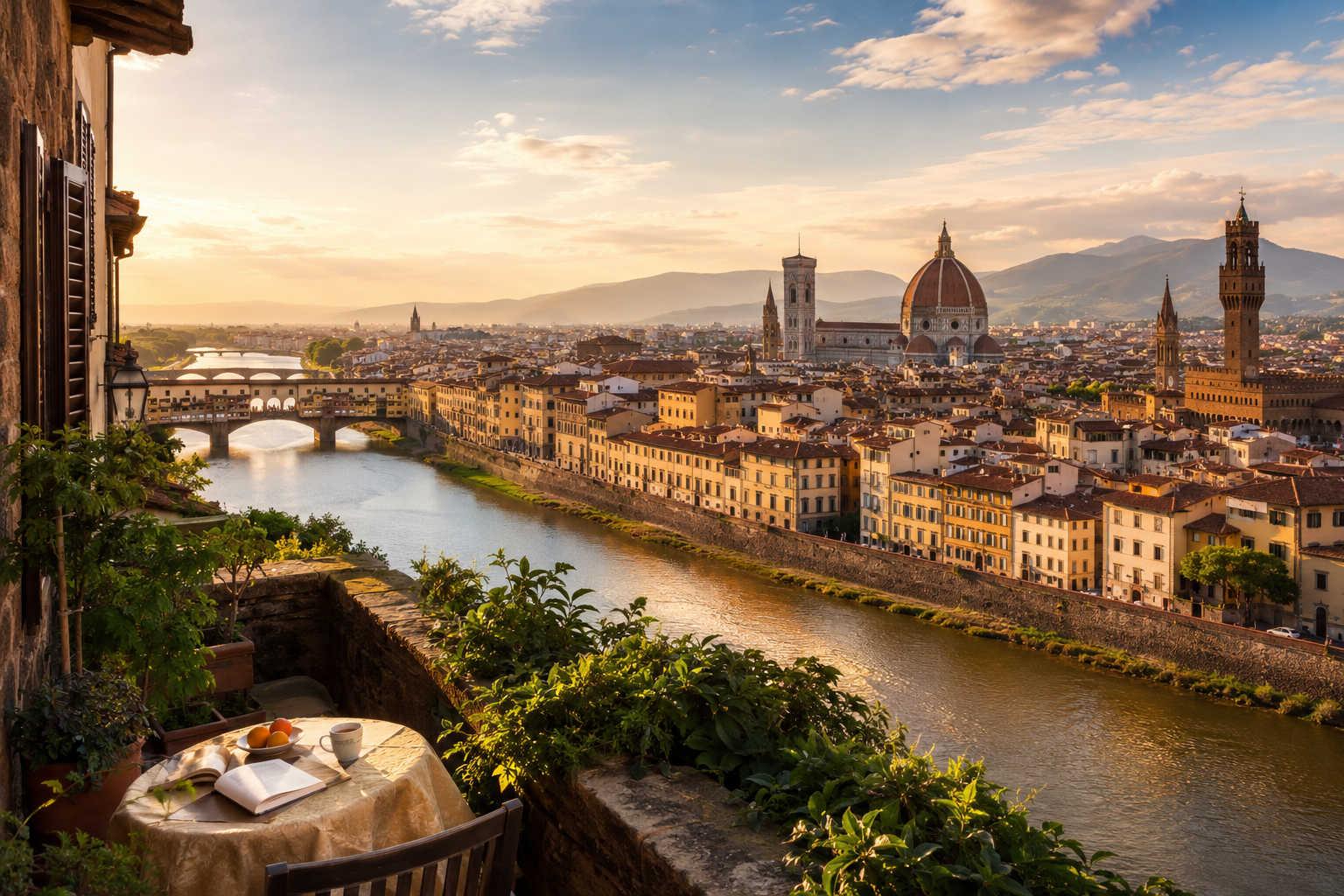
Experiencing Florence Through Art, History, and Local Living
Florence remains one of Europe’s most admired cultural destinations thanks to its unique balance of artistic heritage, quality of life, and deeply human urban dimension. Every year, millions of visitors are drawn not only by the city’s Renaissance landmarks, but also by the opportunity to experience a more authentic side of Tuscany through historic neighborhoods, local cuisine, and everyday Florentine life. In recent years, tourism has increasingly shifted toward more flexible and personalized travel experiences, allowing visitors to connect more naturally with the city and its rhythms.
The growing interest in independent apartments and accommodations integrated into residential neighborhoods reflects a broader desire to move beyond standardized hospitality. Travelers visiting Florence today are often looking for places that allow them to experience the city like locals, choosing specific districts, neighborhood markets, artisan workshops, and less crowded itineraries. This evolution in urban tourism is reshaping the hospitality sector, especially within Italy’s historic city centers.
Florence’s Neighborhoods and the Appeal of Local Life
One of Florence’s most distinctive qualities is the strong identity of its neighborhoods. Each district preserves unique characteristics that shape how visitors experience the city. While the historic center remains the artistic and monumental heart of Florence, more travelers are exploring areas such as Santo Spirito, San Niccolò, and Santa Croce to discover a quieter and more authentic atmosphere.
Oltrarno, for example, still represents one of the clearest expressions of Florence’s artisan tradition. Historic workshops coexist with independent galleries, cafés, and creative studios, creating an environment very different from the busier areas surrounding the Duomo. At the same time, districts like Santa Maria Novella continue to attract visitors thanks to their strategic location and elegant historic buildings adapted for modern hospitality.
The choice of neighborhood has become an essential part of the travel experience. Many visitors prefer accommodations that allow them to explore the city on foot, reaching museums, restaurants, and markets without relying heavily on transportation. Within this context, hospitality platforms such as apartmentsflorence.it naturally reflect the growing demand for flexible stays immersed in the urban fabric of Florence.
How Travel Habits Are Changing
Over the past few years, the concept of the urban vacation has evolved significantly. Travel is no longer limited to visiting famous monuments or following traditional itineraries. Instead, travelers increasingly seek personalized experiences shaped by comfort, flexibility, and a slower pace of exploration. The rise of remote work and longer stays has also changed expectations, leading many visitors to prioritize larger and more functional living spaces over traditional hotel accommodations.
Professionals and international travelers are increasingly choosing cities like Florence for extended stays that combine work and leisure. This trend has contributed to the growth of apartments designed for medium and long-term living, often located inside carefully restored historic buildings. The opportunity to stay in an authentic setting while enjoying independence and everyday comfort is particularly valued among modern travelers.
Among the factors that most influence accommodation choices are:
- central location and easy mobility;
- spacious and naturally bright interiors;
- integration with the city’s historic atmosphere;
- digital services and guest support;
- access to less tourist-heavy neighborhoods.
This transformation reflects a broader evolution in European cultural tourism, where authenticity and sustainability are becoming increasingly important.
Art, Food, and Everyday Florence
Florence offers an extraordinary concentration of artistic masterpieces and historic architecture, but much of its charm comes from the city’s everyday atmosphere. Walking along the Arno River at sunset, having breakfast in a quiet square, or visiting a neighborhood market all contribute to a more personal and immersive connection with the city.
The Mercato Centrale in San Lorenzo remains one of Florence’s best-known gastronomic destinations, while Sant’Ambrogio continues to preserve a strong local identity through traditional food shops and family-run restaurants. Alongside these historic spaces, Florence has also developed a growing contemporary culinary scene focused on Tuscan ingredients and modern interpretations of regional cuisine.
The city’s cultural offerings continue to evolve as well. Beyond the Uffizi Gallery and the Accademia, many visitors now seek smaller and less crowded museums such as Museo Bardini or Palazzo Davanzati. This growing interest in quieter cultural experiences reflects a broader desire for slower and more meaningful travel.
The Rise of Experiential Travel
More travelers are now planning their stays around specific experiences rather than traditional sightseeing alone. Popular activities include Tuscan cooking classes, artisan-focused tours, wine tastings, and photography walks through Florence’s historic districts. The city lends itself naturally to a travel style that combines culture, lifestyle, and gastronomy.
The growth of experiential tourism has also influenced the hospitality sector. Many accommodations have adapted to travelers seeking carefully designed interiors, contemporary comfort, and stronger integration with the local environment. The goal is no longer simply to provide a place to stay, but to create an experience aligned with the identity and atmosphere of the city itself.
Florence Between Sustainable Tourism and New Expectations
One of the most discussed issues in recent years concerns the balance between tourism and urban sustainability. Like many European art cities, Florence faces the challenge of managing high visitor numbers while preserving the quality of life for residents and protecting the character of its historic neighborhoods.
New tourism strategies increasingly focus on distributing visitors more evenly across different areas of the city, encouraging alternative itineraries and less concentrated travel periods. Slow tourism is also becoming more relevant, promoting longer stays and a more respectful approach to local communities and cultural heritage.
Within this evolving landscape, authentic experiences have become central to how travelers choose destinations. Florence continues to stand out not only for its artistic legacy, but also for its ability to combine history, culture, and daily life in a uniquely balanced way. This combination is what continues to attract travelers seeking a more personal and immersive experience, far removed from standardized tourism and closer to the real rhythm of the city.