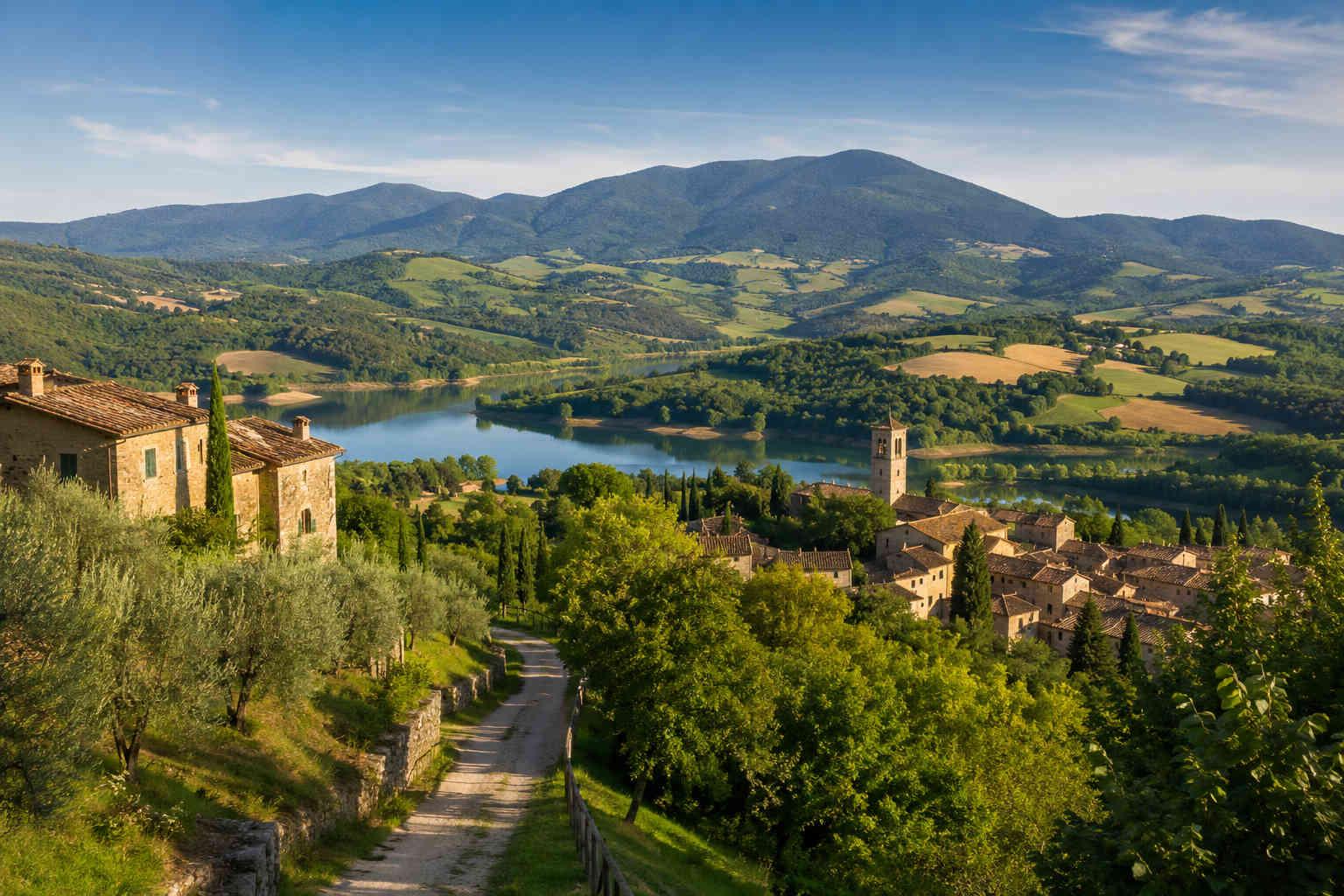
Exploring Mugello: Tuscany’s Landscape of Nature and Heritage
Tuscany remains one of Europe's most celebrated travel destinations, attracting visitors with its artistic treasures, historic cities, and world-renowned countryside. While locations such as Florence, Siena, and Pisa receive much of the international attention, many travelers are increasingly looking beyond the most famous destinations in search of a more authentic experience. This growing interest has led to renewed appreciation for regions where local traditions, natural landscapes, and cultural heritage continue to shape everyday life. Among these areas, Mugello stands out as one of the most fascinating territories to explore.
Located north of Florence and framed by the Apennine Mountains, Mugello offers a landscape that reflects the diversity and beauty of rural Tuscany. Rolling hills, forests, agricultural land, rivers, and small historic settlements create a setting that feels distinctly connected to the region's history. Unlike heavily visited tourist centers, Mugello provides an opportunity to experience Tuscany at a slower pace, where nature and culture remain closely intertwined. This balance between environmental richness and historical significance has made the area increasingly attractive to travelers seeking meaningful experiences rather than simply visiting landmarks.
A Region Where Nature and History Meet
The character of Mugello has been shaped over centuries by its geographical position and cultural importance. Historically, the area played a significant role in the development of Tuscany and maintains strong ties to the Medici family, whose influence helped shape the political, artistic, and economic history of the region. Several villas and historic residences connected to the Medici heritage can still be found throughout the territory, offering valuable insight into one of Italy's most influential dynasties.
At the same time, the landscape itself remains one of the area's defining features. Vast wooded areas, open valleys, and panoramic viewpoints create a constantly changing environment that rewards exploration throughout the year. Seasonal transformations add further appeal, from the vibrant colors of spring and autumn to the peaceful atmosphere that characterizes the colder months. The natural diversity of the region supports a wide range of wildlife and contributes to the preservation of ecosystems that have remained relatively untouched by large-scale urban development.
Visitors often discover that one of the greatest pleasures of Mugello lies not in any single attraction but in the relationship between its various elements. Medieval villages, historic churches, traditional farms, and natural landscapes coexist in a way that reveals the deep connection between human activity and the surrounding environment. This harmony is increasingly valued by modern travelers seeking destinations that retain a strong sense of place and identity.
The villages scattered across the valley further reinforce this impression. Their historic centers preserve architectural features that reflect centuries of local life, while community traditions continue to influence cultural events, artisan practices, and culinary customs. Walking through these settlements provides a glimpse into a Tuscany that remains authentic and lived-in rather than designed exclusively for tourism.
Slow Travel and Outdoor Experiences in Mugello
The rise of slow travel has encouraged many visitors to reconsider how they experience a destination. Rather than focusing on packed itineraries and rapid sightseeing, travelers increasingly seek opportunities to immerse themselves in local environments, spend time outdoors, and develop a deeper understanding of the places they visit. Mugello responds particularly well to these expectations.
The region offers a remarkable variety of outdoor activities that appeal to different interests and levels of experience. Its network of trails and rural roads makes it a popular destination for hikers, cyclists, and nature enthusiasts, while forests and protected natural areas provide excellent opportunities for wildlife observation and landscape photography. The relatively low levels of traffic on many country roads have also contributed to Mugello's reputation among cycling enthusiasts, who appreciate the combination of challenging routes and spectacular scenery.
Popular activities throughout the region include:
- Hiking through forests and mountain trails
- Road cycling and mountain biking
- Horseback riding across rural landscapes
- Birdwatching and wildlife observation
- Nature photography
- Fishing and recreational activities near local lakes
- Exploring historic villages on foot
What distinguishes these experiences is the sense of connection they create between visitors and the landscape. Rather than simply observing the environment, travelers become active participants in it, discovering hidden viewpoints, lesser-known villages, and natural settings that often remain absent from traditional tourism itineraries.
This approach to travel reflects broader changes within the tourism sector. Increasingly, visitors value destinations that promote sustainability, encourage longer stays, and offer opportunities to engage with local communities. Mugello's combination of accessible outdoor recreation and preserved cultural heritage positions it particularly well within this evolving travel landscape.
Authentic Hospitality and the Enduring Appeal of Rural Tuscany
Accommodation choices have become an important part of how travelers experience a destination. Rather than selecting places based solely on convenience, many visitors now seek environments that reflect the character of the surrounding region. Across Tuscany, this trend has contributed to growing interest in rural hospitality, where traditional architecture, natural settings, and local identity play a central role in the visitor experience.
Properties located within the countryside often allow travelers to enjoy a closer relationship with the landscape while experiencing a quieter and more relaxed rhythm of life. Within this broader context, interest has grown in accommodations such as the Porcigliano Olive Grove vacation rental in Mugello, reflecting the increasing demand for stays that combine privacy, natural surroundings, and direct access to the cultural and environmental richness of the region.
The appeal of Mugello is also closely connected to its culinary traditions. Local gastronomy reflects centuries of agricultural knowledge and strong links to the surrounding land. Seasonal ingredients, traditional recipes, and regional specialties continue to play an important role in everyday life, offering visitors opportunities to explore local culture through food. Markets, restaurants, and food-related events contribute to a deeper appreciation of the relationship between landscape, history, and community.
As travelers continue to prioritize authenticity, sustainability, and meaningful experiences, regions like Mugello are becoming increasingly relevant. Their attraction does not depend on iconic monuments alone but on a more complete travel experience shaped by nature, heritage, local traditions, and a strong sense of identity. For those looking to discover a different side of Tuscany, Mugello represents an enduring example of how cultural richness and natural beauty can coexist, creating a destination that rewards curiosity, exploration, and a genuine connection with place.